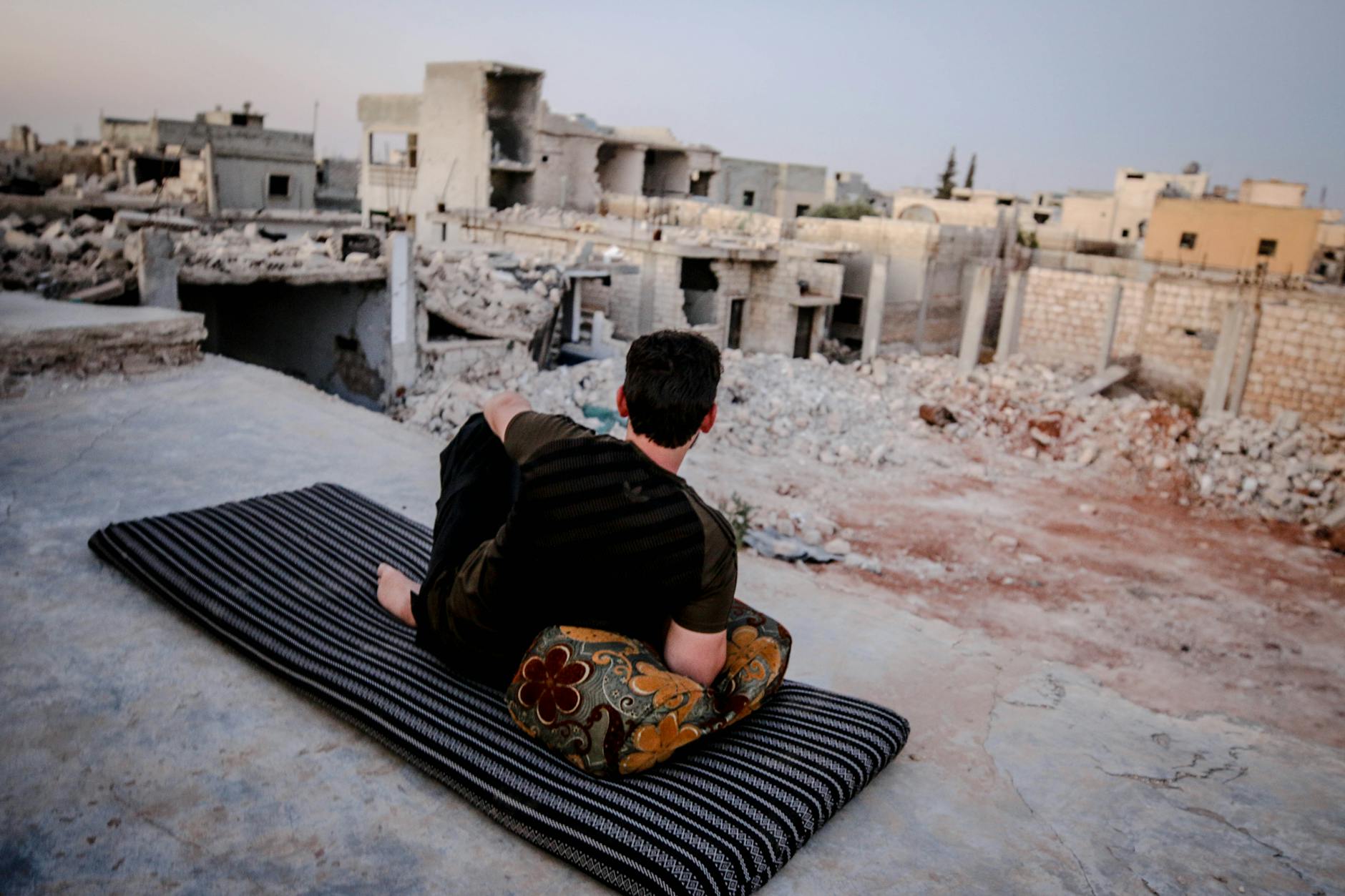
Several years ago I took a workshop on resilience. It was facilitated by a European certified crisis management specialist and to this day it is probably one of the best courses I’ve ever taken. The facilitator stated only 10% of people who go through traumatic experiences ever overcome and get post-traumatic growth. 10%. Those in the 10% all had six specific traits.
Although many of us may not be living through the wars that are unfolding in the Middle East, Eastern Europe, or parts of Africa, we have been receiving secondary-trauma. This used to be only for aid workers, but now they are finding it affects anyone who has a conscience and follows world events through news or social media. That means you and me. Unfortunately, due to growing risks, not clicking on that “rage bait news” is not an option for people if we want to stay informed.
So, how are we going to deal with this on-going stress, uncertainty, and anxiety?
#1 Practice gratefulness.
It does not mean ignoring or not acknowledging the bad things or crisis we are in, but being grateful for the good things we currently do have in our life.
Make it a daily routine to sit down with tea or coffee and mindfully – and hopefully verbally acknowledge – all the blessings. As the old hymn Count Your Blessings says, ” Are you ever burdened with a load of care? Does the cross seem heavy you are called to bear? Count your many blessings, ev’ry doubt will fly, and you will be singing as the days go by.”
#2 Practice community – spend time with people
It is vital we do not isolate ourselves and we get together with people on a regular basis. This was one area that was hit hard during the Pandemic. Many people did not make the effort to get together online and stay in touch with others or safely in person and they were negatively effected. Make it a priority to get together in person to “do life.” Turn off the television and get off your phone. Have a BBQ with your family and close friends, make biweekly game night with like-minded couples and peeps, make street hockey, football, and soccer a thing again with the guys or the kids. Bring back that 80s life style we all miss.
#3 Practice living a healthy lifestyle
Food +exercise + sleep = a healthy lifestyle! We all know it, but do we all do it? This is necessary to go through a crisis.
Studies show physical activity can dramatically assist in post-traumatic growth. It builds positive mental resilience, promotes well being, and counteracts anxiety, depression, muscle tension, and PTSD.
#4 Practice worship – both by yourself and with others
Did you know that studies show that people who attend church once a week are 25% healthier than those who do not? As many of you know, our perspective on our circumstances and challenges change when we worship. It cannot stand when we put it before the full view of God’s majesty, sovereignty, and supreme goodness. No matter what faith have you, practice it! If you have no faith, I suggest you find one since agnostics and atheists do not seem to gain that post-traumatic growth needed. And no, faith in yourself will not be enough. Check the research yourself.
#5 Practice Reflection
We must on a weekly basis reflect and process what is happening in our lives – especially if we are going through a crisis. This can be done through journaling, art, or music. People have produced incredible stories, art pieces, and music from this activity.
Debrief yourself.
Another important type of reflection we can use when we are upset by the news or events we see is to debrief ourselves and our families. The simple steps of walking through a series of basic questions and identifying how we feel can do wonders. It’s called “Name it to tame it.” Below are simple questions and reality checks you can ask yourself or others.
- What happened?
- How do I feel?
- What was the worst part?
- But I know….
#6 Practice Routine
Having a routine is stability. All parents, successful people, and educators know it. If your schedule is fully packed, you will have no time to deal with a crisis mentally, emotionally, or physically when it hits. Leave 20% of your time free (this is in addition to a weekly day of rest).
When a calamity does happen, go to the routine you have already in place. What can you continue as before? Some things may be impossible to continue depending on the situation, but what you CAN do, you should. This sense of routine gives structure and a “sense of control” when life feels it does not have it.
In Lebanon during the 1970s-1990s civil war in From Beirut to Jerusalem, Thomas Friedman documented how keeping routines was one of pillars to how the Lebanese stayed sane and mentally healthy during that horrible period. The Lebanese refused to give up their daily life routines. They did it despite the bombs and the shelling from the factions around them. I used this principle for my son and I during the Egyptian Revolutions. I received criticism as a person and definitely as a parent from some within my community for doing so; but looking back now, I realize I had implemented a pillar of resilience in my life without knowing it.
Which of these six practices do you currently have in your life? Which ones maybe you need to implement or improve? All of us need a bulwark of resilience. It does not matter if we currently live in the Middle East or if we are a North American or European stay-at-home mom, a stressed out businessman or CEO, social worker, overworked religious leader, or a content and happy retiree. No matter who we are, we will all see seasons of tribulation and times of crisis, and right now, many of us need to take seriously implementing the resilience traits we are lacking. The traumatic news and events are not stopping and we need a way to put a shield of life against it.
 The Trekking Thinker